Mastering the Art of Pruning: Insights from a Decade-Long Journey in Gardening
Every gardener knows that pruning is both an art and a science. It’s a skill that requires patience, knowledge, and a keen eye for detail. Over the years, we've learned that the right cut can mean the difference between a flourishing garden and a lackluster one. Our journey in gardening has been filled with trials and triumphs, and we're excited to share our experiences with you. Whether you’re curious about when to prune roses, how to prune a hydrangea, or the best time to tackle your lavender, read on for tips and insights that will transform your garden.
Understanding the Basics: Why Pruning Matters
Pruning isn’t just about shaping plants to look pretty. It's a crucial practice that can boost plant health, improve fruit production, and prevent disease. For instance, knowing when to prune a rose bush isn't just a matter of aesthetics; it ensures your rose bush blooms to its fullest potential.
Here's why pruning is essential:
- Stimulates Growth: Pruning encourages new growth and can help shape plants in the desired direction.
- Improves Air Circulation: By removing excess branches, you allow more air to circulate, reducing the risk of fungal diseases.
- Enhances Light Penetration: Proper pruning allows sunlight to reach innermost leaves, which is vital for photosynthesis.
- Prevents Overcrowding: Maintaining a manageable plant size prevents them from overshadowing each other.
When and How to Prune Different Plants
Over the years, we've learned that timing and technique are everything. Here are some key insights:
Rose Bush Pruning: Timing is Everything
Knowing when to prune roses is crucial. Prune a rose bush in early spring before new growth starts, usually when the first leaf buds appear. A common mistake we made early on was pruning too late in the season, which resulted in fewer blooms. Now, we never miss the early window, ensuring vibrant blossoms throughout the summer. Have you ever pruned too late and wondered why your roses aren't blooming as expected?
Hydrangeas: A Seasonal Delight
Pruning of hydrangea plants depends on the type you have. For example, Hydrangea macrophylla should be pruned after they bloom in the summer. This allows the plant to set buds for the next year's flowers. We once mistakenly pruned our hydrangeas in late fall, only to realize we had cut off the next season’s blooms. It was a lesson learned the hard way but one we never forgot.
Apple Trees: A Fruitful Task
When it comes to apple trees, knowing when to prune is just as important as how. Typically, you should prune in late winter or early spring when the tree is dormant. This prevents stress and encourages healthy fruit production. We’ve found that regular pruning leads to not only a better yield but also larger, juicier apples. Have you tried pruning your apple tree too late and noticed a difference in fruit quality?
Our Personal Journey: Lessons from the Garden
Reflecting on our gardening journey, we can’t help but recall a particular winter day spent wondering why our wisteria wasn’t blooming as it should. After some research, we discovered that wisteria pruning was best done in late summer and again in winter. We adjusted our schedule, and by the next season, our wisteria was a cascade of fragrant, violet blooms. It was a delightful success that reinforced the importance of timely and informed pruning.
Practical Tips and Tricks
A little wisdom from our experience:
- Observe Your Climate: Local weather can impact the best time for pruning. For instance, in milder climates, some plants may benefit from a slightly earlier pruning schedule.
- Invest in Quality Tools: Sharp, clean tools make precise cuts that heal faster, reducing the risk of disease.
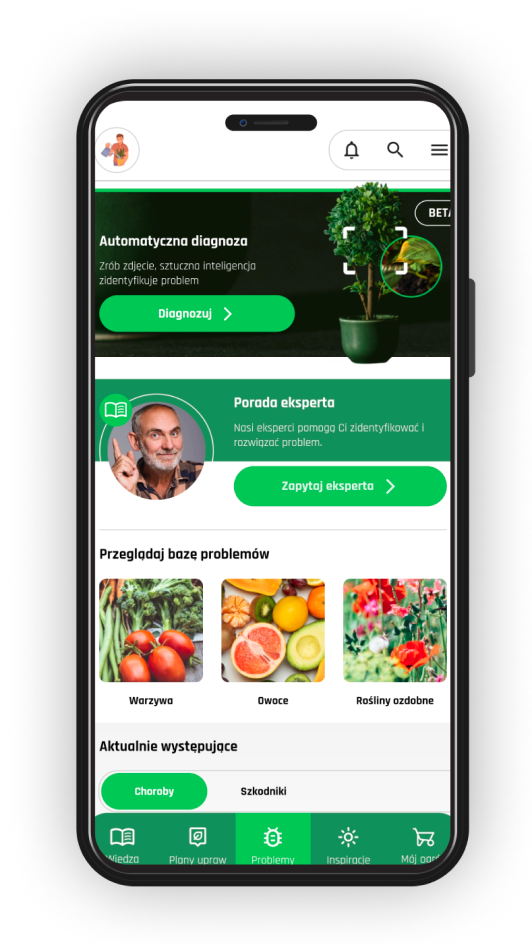
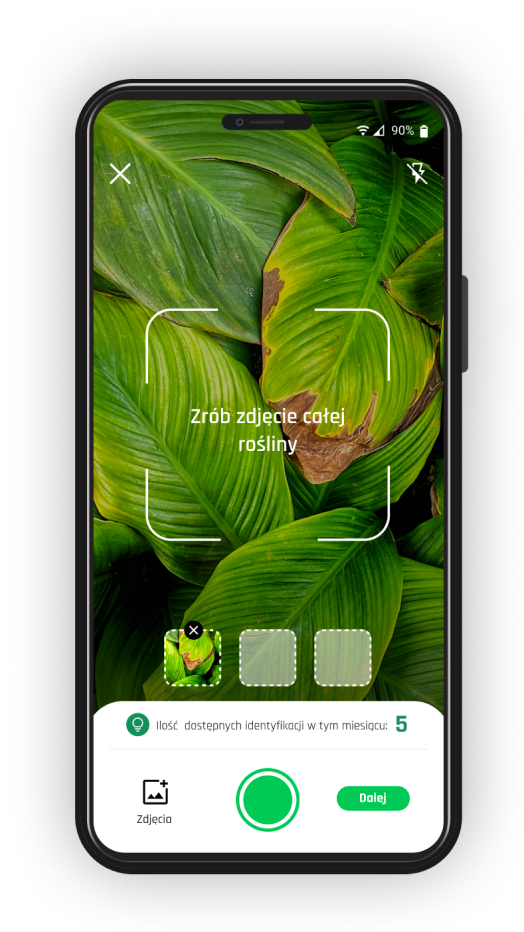
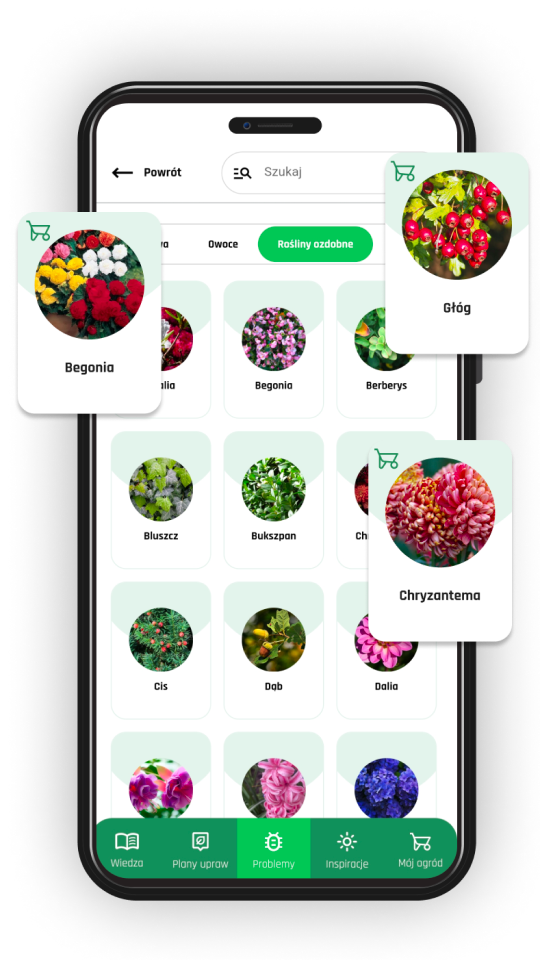
- When in Doubt, Ask: Use resources like the Plantis app to identify your plant and get tailored advice on pruning techniques and timings.
- Document Your Successes: Keep a gardening journal to note what works and what doesn’t for your specific plants.
In conclusion, mastering the art of pruning takes time, patience, and a willingness to learn from both mistakes and successes. With these insights and tools like the Plantis app at your disposal, you're well on your way to creating a thriving, beautiful garden. Don't forget, the most important part of gardening is enjoying the process and the beauty it brings into your life. Happy pruning!